Understanding Mold Remediation in North Vancouver
Mold remediation is a crucial service for homeowners and businesses in North Vancouver, where the damp coastal climate creates ideal conditions for mold growth. From hidden corners of attics to behind drywall, mold can thrive in various environments if not properly managed. Therefore, understanding the significance of professional mold remediation services is essential for maintaining a safe and healthy living or working space. When exploring options, Mold Remediation North Vancouver provides comprehensive insights into what to expect during the remediation process and how it can protect your property.
What is Mold Remediation?
Mold remediation refers to the process of removing mold from indoor environments, addressing the moisture issue that led to mold growth, and ensuring it does not return. This multifaceted process typically includes identifying the source of moisture, removing contaminated materials, containing the affected area, and using advanced cleaning techniques to restore air quality. Professional remediation services also provide assessment and documentation necessary for insurance claims, ensuring a thorough job that complies with local guidelines.
Importance of Professional Remediation Services
Engaging trained professionals for mold remediation is vital due to the health risks associated with mold exposure. Mold can cause various health issues ranging from allergic reactions to respiratory problems. Additionally, improper cleanup can exacerbate the mold problem and lead to further structural damage to your home. Professionals are equipped with the knowledge and tools required to manage such issues effectively, ensuring a safe environment for occupants.
Common Sources of Mold in North Vancouver Homes
North Vancouver’s unique climate presents several opportunities for mold to flourish. Common sources include:
- Moisture from leaks in roofs or walls
- Condensation from poorly ventilated attics and bathrooms
- Flooding or water damage from heavy rainfall
- High humidity levels in basements and crawl spaces
- Faulty HVAC systems that do not adequately regulate moisture
Signs You Need Mold Remediation
Identifying the signs of mold growth early can prevent significant damage to your property. Homeowners should be vigilant for the following indicators:
Identifying Visible Mold Growth
Visible mold appears as spots that can be various colors, including black, green, or white. It often grows in areas that are damp or have suffered from water damage.
Recognizing Odors and Symptoms Related to Mold
A musty smell is a common indication of hidden mold. Additionally, occupants may experience symptoms such as sneezing, coughing, or irritation of the eyes and skin, all of which may be linked to mold exposure.
Situations Requiring Immediate Professional Help
If you notice extensive mold growth, experience health issues, or have had recent flooding or leaks, it is essential to seek professional mold remediation services. Prompt action can mitigate health risks and property damage.
The Mold Remediation Process Explained
Understanding the mold remediation process helps homeowners know what to expect and ensure they choose a reputable service provider. The steps typically include:
Initial Inspection and Assessment Steps
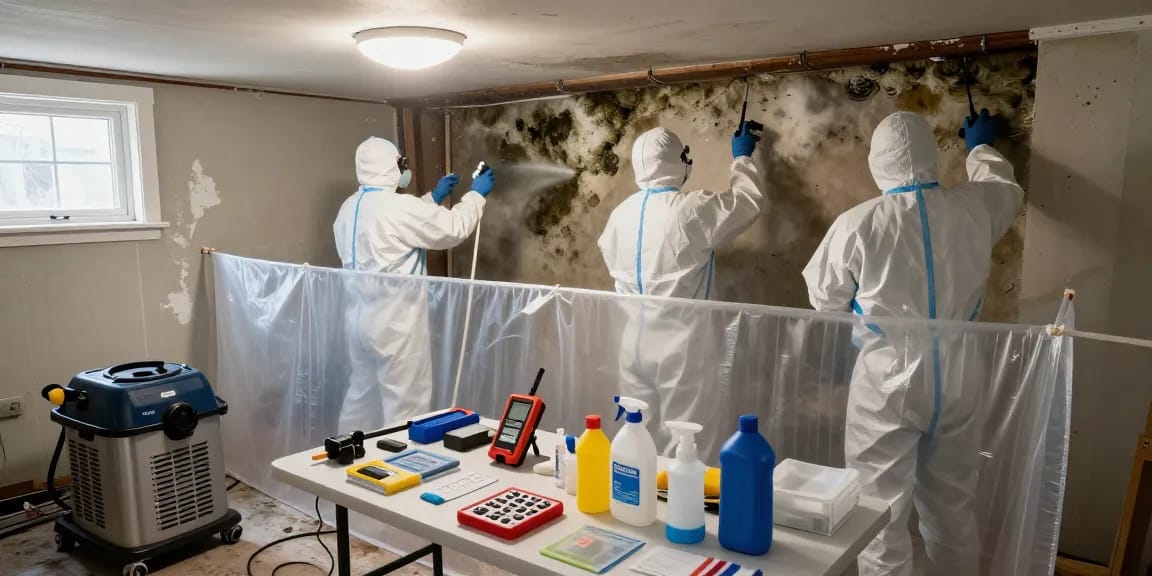
The process begins with a comprehensive inspection to identify the extent of the mold growth and the moisture source. Technicians will use advanced tools like moisture meters and thermal imaging to assess hidden mold.
Containment, Removal, and Cleanup Procedures
Once the assessment is complete, the area is contained using physical barriers and negative air pressure to prevent spores from spreading during the cleanup. Mold-infested materials may need to be removed, and air scrubbers will be used for filtration.
Documenting and Reporting for Insurance Claims
The final stage involves documenting the entire remediation process, including before-and-after photos and detailed reports. This documentation is crucial for filing insurance claims and future reference.
Preventing Future Mold Growth
Successful mold remediation does not stop the problem from returning; proactive measures are necessary. Homeowners should consider the following best practices:
Best Practices for Homeowners in Damp Climates
Ensure proper ventilation in high-moisture areas, such as bathrooms and kitchens. Installing exhaust fans can significantly reduce humidity levels and discourage mold growth.
Regular Maintenance and Inspections
Conduct regular inspections, especially in areas prone to moisture. Early detection of water leaks, condensation, or discoloration can prevent extensive mold problems.
Recommendations for Humidity Control
Using dehumidifiers in basements or areas with high humidity can help control moisture levels. Aim to keep indoor humidity below 60% to limit mold growth.
Frequently Asked Questions About Mold Remediation
How long does the mold remediation process take?
The duration of the remediation process varies based on the severity of the infestation and the size of the affected area. Typically, it can take anywhere from a few days to a week to complete.
Can I stay in my home during remediation?
In general, it is recommended that you vacate the premises during mold remediation, especially if extensive removal and cleanup are required. This will protect you from exposure and provide technicians a safe working environment.
What health issues can mold exposure cause?
Mold exposure can lead to a variety of health problems, including respiratory issues, allergic reactions, and in some cases, more severe health effects, particularly for individuals with pre-existing conditions or weakened immune systems.
How much does mold remediation cost in North Vancouver?
The cost of mold remediation varies based on the extent of the mold growth, the affected materials, and the remediation methods used. Homeowners should expect to invest anywhere from $500 to several thousand dollars for extensive work.
Can mold return after remediation?
Yes, mold can return if the underlying moisture issues are not addressed. Continuous monitoring and preventive measures are essential to ensure that your home remains mold-free.