The Evolution of Yamaha Dealers in the Powersports Industry
The landscape of the powersports industry has undergone significant transformations over the years, and Yamaha dealers have been at the forefront of these changes. From their early beginnings to their current state, Yamaha dealerships have adapted to meet the evolving needs of customers while embracing advancements in technology and customer service. Understanding this evolution not only highlights the resilience of Yamaha dealers but also shines a light on their pivotal role in providing quality products and services to a passionate community of riders and outdoor enthusiasts.
Historical Perspective on Yamaha Dealerships
Yamaha's journey began in 1953 with the introduction of their first motorcycle, marking the company's foray into the powersports sector. As the brand gained popularity, the need for dedicated dealers became evident. By the early 1970s, Yamaha had established a network of authorized dealers across the United States, allowing customers to access not only motorcycle models but also ATVs, watercraft, and more. This growth was spurred by the rising interest in outdoor recreation and motorsports, leading to Yamaha becoming a household name in the industry.
Overview of Yamaha Dealer Innovations and Advancements
In response to changing consumer expectations and technological advancements, Yamaha dealers have implemented various innovations to enhance the buying experience. For instance, the integration of digital technologies has streamlined inventory management, allowing dealers to provide accurate information about product availability. Many dealers now offer online purchasing options, enabling customers to browse and buy from the comfort of their homes. Furthermore, interactive showrooms equipped with virtual reality setups allow prospective buyers to experience models in an immersive environment.
Impact of Technology on Customer Interactions
Technology has profoundly shaped customer interactions at Yamaha dealerships. The rise of social media platforms has enabled dealers to reach a wider audience and engage with customers directly, answering queries and providing updates on new arrivals. Additionally, customer relationship management (CRM) systems help dealers manage relationships with clients more effectively, ensuring personalized service. These efforts not only improve customer satisfaction but also foster loyalty among Yamaha enthusiasts.
Navigating the Yamaha Dealer Network: A Comprehensive Guide
Finding the right Yamaha dealer is crucial for ensuring a satisfactory purchase and ownership experience. Local dealerships vary in terms of inventory, service quality, and customer support. When exploring options, Yamaha dealer provides comprehensive insights into what potential buyers should consider, ensuring they make informed decisions that align with their needs.
How to Find the Best Yamaha Dealer Near You
To locate a Yamaha dealer, start by performing a simple online search or using the dealer locator feature on Yamaha's official website. Consider factors such as customer reviews, dealer ratings, and proximity to your location. Engaging with local powersports communities can also provide invaluable recommendations. Attend trade shows or events to interact with dealers and get a firsthand experience of their offerings.
What to Expect During Your Visit to a Yamaha Dealership
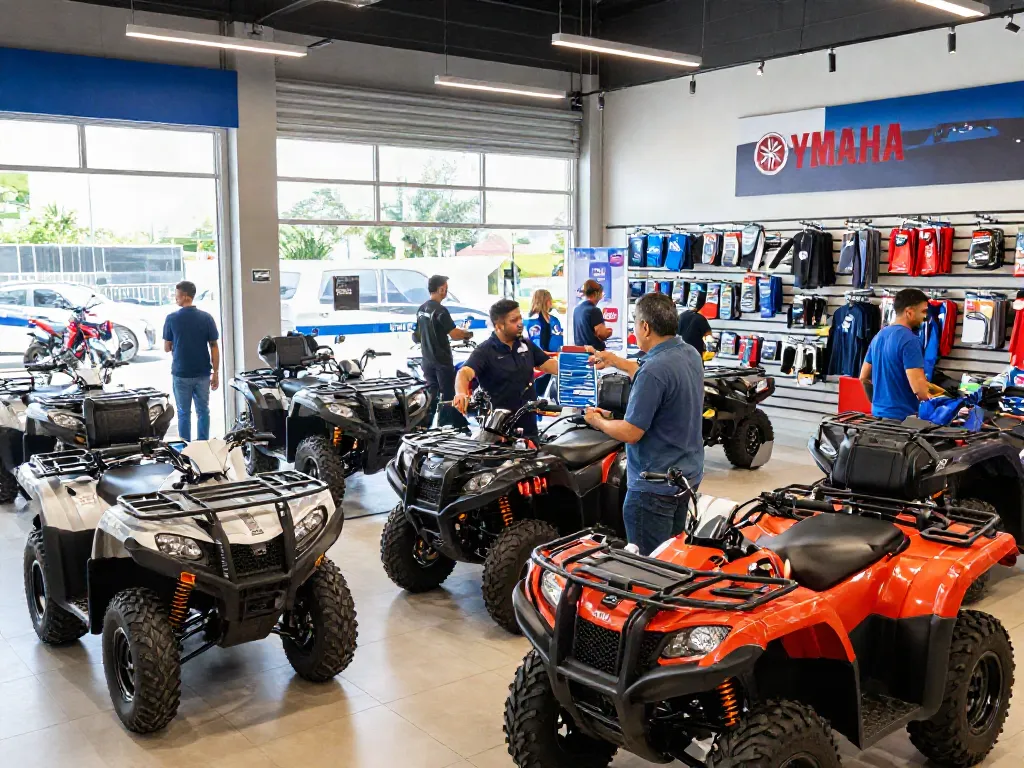
A visit to a Yamaha dealership should be a positive and informative experience. Expect to be greeted by knowledgeable staff who can answer questions and provide insights into different models. Many dealerships have showrooms showcasing the latest Yamaha products and accessories. Take advantage of test rides to assess the comfort and performance of various vehicles before making a purchase decision.
Understanding the Importance of Authorized Yamaha Dealers
Choosing an authorized Yamaha dealer ensures that you receive genuine products and quality service. Authorized dealers are trained to understand the specifics of Yamaha products, from performance to maintenance. They also have access to official parts and accessories, which is crucial for long-term vehicle care. Furthermore, purchasing from authorized dealers often comes with warranties and customer support that independent sellers may not provide.
Customer Experiences: Real Stories from Yamaha Dealer Customers
Positive Testimonials and Success Stories
Many Yamaha customers have shared positive experiences with their local dealers, highlighting exceptional customer service, expert advice, and a welcoming atmosphere. For instance, one customer recounted how their dealer went above and beyond to ensure their new bike was customized to their specifications, making the purchasing process enjoyable and memorable.
Common Challenges Faced by Yamaha Buyers
Despite the generally positive reviews, some challenges persist for Yamaha buyers. These may include issues such as inventory shortages during peak seasons or difficulties in obtaining specific parts for older models. Open communication with dealers can often mitigate these challenges, as many dealers are committed to finding solutions that meet customers' needs.
How Dealers Address Customer Concerns Effectively
Dealers have developed strategies to address customer concerns proactively. Many have instituted customer feedback systems to gather insights on service experiences and identify areas for improvement. Training staff to handle concerns empathetically has also proven effective in building trust and loyalty. Online platforms enable customers to voice their experiences, allowing dealers to respond quickly and effectively.
Yamaha Dealer Best Practices for Maximizing Customer Satisfaction
Creating Inviting Showroom Experiences
An inviting showroom experience can make a significant difference in customer satisfaction. Dealers should focus on creating a welcoming atmosphere with well-displayed inventory, comfortable waiting areas, and knowledgeable staff ready to assist. Interactive displays and informative signage can also enhance the customer experience, making it more engaging.
Building Long-term Relationships with Customers
Building long-term relationships is crucial for Yamaha dealers to cultivate customer loyalty. Regular follow-ups, personalized communication, and exclusive offers for returning customers can foster a strong bond. By understanding customer preferences and maintaining ongoing engagement, dealers can ensure that customers return for their future powersports needs.
Implementing Feedback Loops for Continuous Improvement
Effective feedback loops are essential for continuous improvement in customer service. Dealers should actively solicit customer feedback through surveys and direct communication. By analyzing this data, dealers can identify trends and areas for enhancement, ensuring they stay attuned to customer expectations and industry shifts.
Future Trends for Yamaha Dealers in 2026 and Beyond
Emerging Technologies and Their Impact on Dealership Operations
The future of Yamaha dealerships will likely see increased integration of emerging technologies. From artificial intelligence in sales processes to enhanced online customer service interfaces, dealers will need to adapt to remain competitive. Advanced analytics will enable dealers to understand market trends and customer preferences more accurately, allowing for better inventory management and marketing strategies.
Sustainability Practices in Powersports Dealerships
As environmental concerns become more pressing, sustainability practices are expected to gain traction among Yamaha dealers. This could include initiatives such as energy-efficient showrooms, eco-friendly waste disposal, and promoting electric models. Customers increasingly favor brands that demonstrate a commitment to sustainability, making this shift beneficial for both the environment and business.
The Growing Demand for Electric Yamaha Models
With the rise of electric vehicles in the powersports sector, Yamaha dealers will need to focus on promoting their electric models. This shift not only aligns with global sustainability trends but also caters to a growing segment of environmentally conscious consumers. Dealers will benefit from training staff on electric technologies and offering test rides to educate customers on the performance and advantages of electric models.
What Makes a Yamaha Dealer Stand Out in 2026?
As the industry evolves, Yamaha dealers will need to differentiate themselves through exceptional customer experiences, product knowledge, and community engagement. Dealers that embrace technology while maintaining personalized service will likely thrive. Specializing in niche markets, such as vintage models or performance upgrades, can also attract a dedicated customer base.
How to Choose Between Local Yamaha Dealers?
When choosing between local Yamaha dealers, consider factors such as customer reviews, dealer inventory, and available services. Visit multiple dealerships to assess their facilities and speak to the staff about their offerings. A dealer that prioritizes customer education and is willing to customize solutions can provide a more comprehensive experience.
What Services Do Yamaha Dealers Offer Beyond Sales?
Yamaha dealers offer a variety of services beyond just sales, including maintenance, repair, and financing options. Many dealerships also provide parts and accessories, aftermarket customization services, and training sessions for new riders. These additional services can greatly enhance the overall ownership experience and foster long-term relationships with customers.
How to Ensure You're Working with an Authorized Yamaha Dealer?
To ensure you're working with an authorized Yamaha dealer, verify their credentials through Yamaha's official website. Authorized dealers typically display signage indicating their status and often have access to exclusive promotions and services. Engaging with authorized dealers ensures that you receive genuine products and quality service backed by Yamaha.
What Are the Latest Yamaha Models Available in 2026?
As we look to the future, Yamaha is expected to launch several exciting new models in 2026. This includes advancements in electric motorcycles and ATVs, performance upgrades for classic models, and innovative features designed to enhance the overall riding experience. Staying informed about upcoming releases through dealer communications and industry news can provide avid riders with insights into the latest offerings.